Why Visit Kauai? 5 Reasons It’s the Best Hawaiian Island
Thinking about a Hawaii vacation but not sure which island to choose? We’ve been asked this question more times than we can count — by friends, family, and strangers who’ve seen our photos and wondered how a place can really look like that. Our answer is always the same: go to Kauai.
We’ve been visiting the Garden Isle every year for nearly 20 years. We’ve been to other Hawaiian islands. We love them all. But Kauai is the one we keep coming back to — the one that still makes our jaws drop on the drive from the airport, the one that feels like nowhere else on earth. Here’s why.
Quick Links
- Reason 1: The Natural Beauty is Unmatched
- Reason 2: The Beaches Are Among the Best in the World
- Reason 3: The Adventure is Extraordinary
- Reason 4: The Snorkeling and Marine Life Are World-Class
- Reason 5: It’s Far Less Crowded Than the Other Islands
- Who Should NOT Visit Kauai
- Ready to Start Planning?
- FAQ
Reason 1: The Natural Beauty is Unlike Anywhere Else on Earth
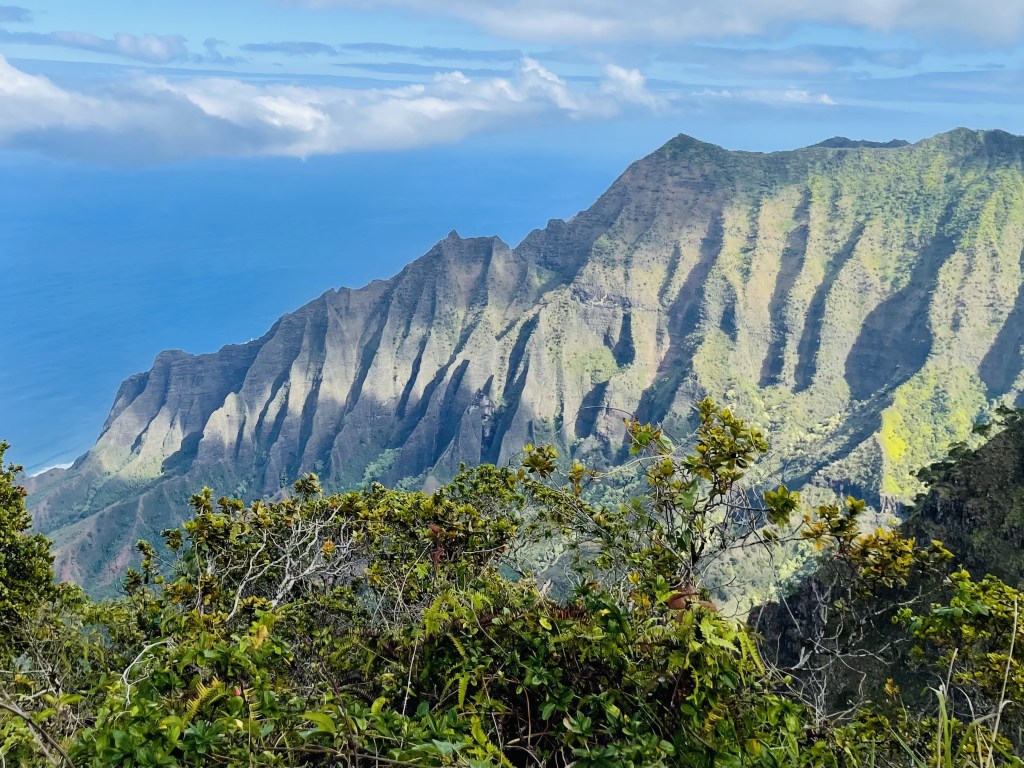
Kauai is called the Garden Isle for a reason. As the oldest of the main Hawaiian islands — formed by volcanic eruptions millions of years before Maui or the Big Island — Kauai has had far more time for nature to work on it. Millions of years of erosion, rainfall, and growth have transformed a volcanic shield into something that barely looks real: razor-edged ridgelines, waterfalls cascading from thousand-foot cliffs, valleys so green and deep they feel primordial.
The crown jewel is the Na Pali Coast — 17 miles of sea cliffs on the island’s northwest shore that are inaccessible by road. The only ways to see them are on foot via the Kalalau Trail, by boat along the water, or from the air on a helicopter tour. All three perspectives are breathtaking, and all three look different enough that people who’ve done all three say they’d do them again. This is the coastline that appeared in Jurassic Park, Pirates of the Caribbean, and countless other films — not because it was the most convenient filming location, but because nothing else on earth looks like it.
Then there’s Mt. Wai’ale’ale at the island’s center — one of the wettest places on earth, receiving over 450 inches of rain annually. That rainfall feeds the island’s waterfalls, which appear seemingly everywhere: visible from the road, from hiking trails, from the windows of helicopters, from the deck of your rental. Wailua Falls, Opaeka’a Falls, and the falls at the end of the Kalalau Trail are among the most visited, but stumbling across an unnamed waterfall on a North Shore hike is one of the small joys of exploring this island.
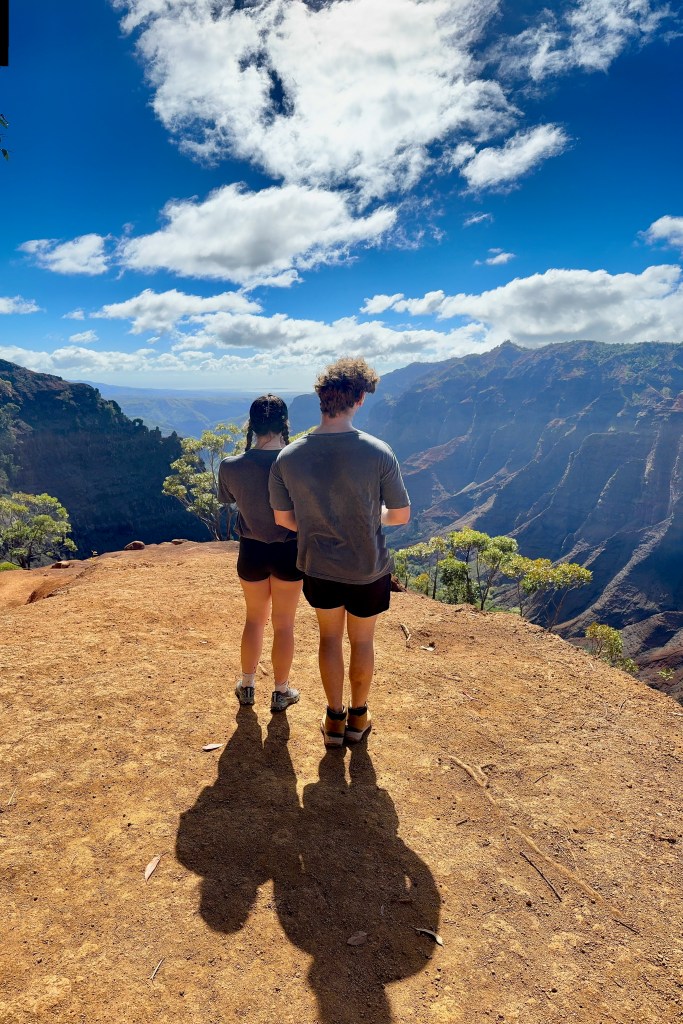
And in the west, Waimea Canyon — nicknamed the Grand Canyon of the Pacific — offers a completely different kind of beauty: red and orange canyon walls dropping 3,600 feet, carved by millions of years of erosion into something that has no business being on a tropical island. It looks like Utah transported to Hawaii. Visitors who drive up expecting “just a canyon” are routinely stunned.
See our one-week Kauai itinerary for how to experience the Na Pali Coast, Waimea Canyon, and Kauai’s best waterfalls in seven days.
Reason 2: The Beaches Are Among the Best in the World
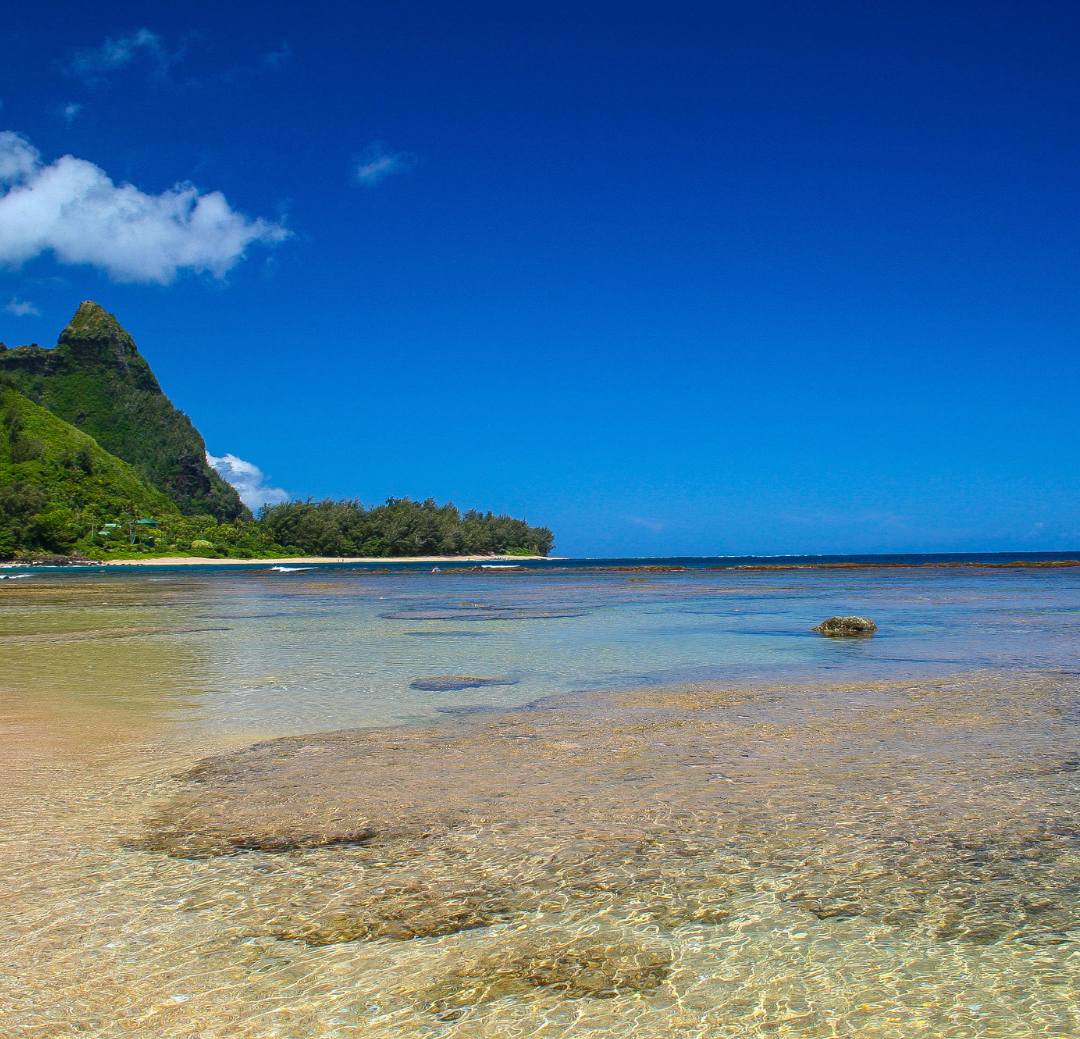
Maui has a well-earned reputation for beautiful beaches. We’d argue Kauai tops it — and we say that having spent significant time on both islands.
What makes Kauai’s beaches extraordinary isn’t just the sand and the water (though both are exceptional). It’s the settings. Hanalei Bay on the North Shore is a two-mile crescent of golden sand backed by fluted green mountains and the Hanalei River winding through a taro valley behind it. On a calm summer morning, with the water flat and the mountains reflected in the bay, it’s the most beautiful place we’ve ever seen. We’ve been going back for two decades and it still stops us in our tracks.
Here’s a quick breakdown of our favorite beaches by shore:
North Shore (best in summer)
- Hanalei Bay — our all-time favorite; three connected beaches (Black Pot, Hanalei Beach Park, and Wai’oli) along a stunning two-mile arc. Perfect for swimming, SUP, and picnicking.
- Tunnels Beach — arguably the best snorkeling beach in Hawaii, with a dramatic reef visible from shore and consistent turtle and fish sightings.
- Anini Beach — the calmest, most protected beach on the island thanks to an offshore reef; ideal for families, beginners, and anyone who just wants to float.
South Shore (great year-round)
- Poi’pu Beach — the most family-friendly beach on the island, with a protected cove for young swimmers and regular monk seal and sea turtle sightings on the sand.
- Shipwreck Beach — dramatic limestone cliffs, big winter surf, and some of the most striking scenery on the South Shore.
- Lawa’i Beach — a quieter alternative to Poi’pu with excellent snorkeling and fewer crowds.
One thing worth knowing: Kauai’s North Shore beaches are at their best in summer and can be dangerous or inaccessible in winter due to large swells. The South Shore is swimmable and beautiful year-round. See our island orientation guide for the full breakdown on planning your visit by season.
Dive deeper in our Top 5 Beaches guide with detailed notes on parking, facilities, and what to expect at each one.
Reason 3: The Adventure is Extraordinary
Kauai is the only Hawaiian island where you can kayak or stand-up paddleboard on rivers in addition to the ocean — and the Wailua River, the only navigable river in all of Hawaii, is one of the best adventure experiences the island offers. Paddle upriver through jungle-lined banks to a dock, then hike a mile through the rainforest to Secret Falls (Uluwehi Falls) — a 100-foot waterfall with a swimming hole beneath it. It’s one of those days that becomes the thing you tell people about when they ask about your trip.
Beyond kayaking, Kauai offers:
Hiking — some of the best in the world. The Kalalau Trail is our top recommendation: a 4-mile round trip from Ke’e Beach to Hanakapi’ai Beach along the Na Pali cliffs. It requires a parking permit (book 30 days in advance), reasonable fitness, and good footwear — but delivers views that are almost impossible to describe. The full 11-mile trail to Kalalau Beach is one of the most challenging and rewarding hikes in America. Waimea Canyon and Kokee State Park also offer excellent hiking at high elevation with sweeping canyon views. Check out our Hiking Post for our favorite trails on the island.
Helicopter tours. Nothing prepares you for seeing Kauai from the air — the interior of Mt. Wai’ale’ale, the full length of the Na Pali cliffs, the Kalalau Valley from above. If it’s in your budget ($250–$400 per person), a helicopter tour is transformative. People who are nervous flyers have told us it was the best decision they made on their trip.
Na Pali Coast boat tours. In summer, sailing and snorkeling tours along the Na Pali Coast from Hanalei give you a perspective of the cliffs that hiking can’t match — and often include dolphin sightings, snorkeling stops, and sea caves. Book well in advance; they sell out quickly.
Surfing, kiteboarding, and paddleboarding. While Oahu’s North Shore gets the big-wave headlines, Kauai has excellent surf spots on every shore at various skill levels. Beginners do well with lessons in Hanalei or Poi’pu; more advanced surfers will find plenty to challenge them.
See our one-week itinerary for how to fit kayaking, hiking, and a helicopter or boat tour into a single trip.
Reason 4: The Snorkeling and Marine Life Are World-Class
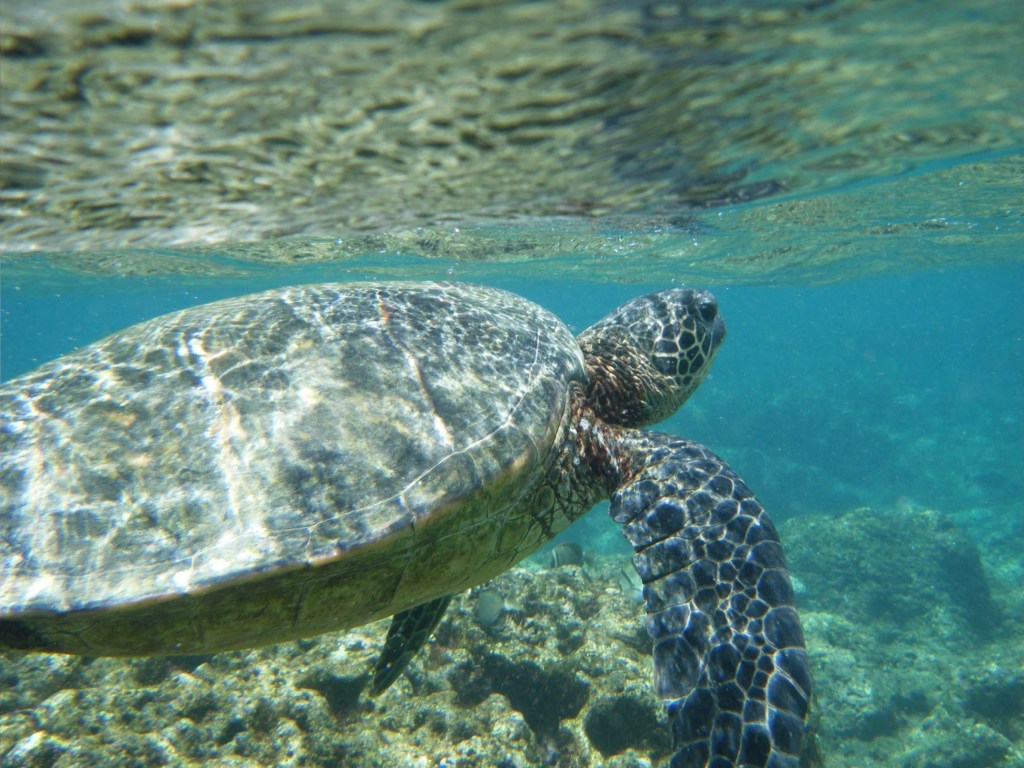
Kauai has some of the largest and healthiest coral reefs in the Hawaiian island chain. The reef off Tunnels Beach on the North Shore is so extensive it’s visible from satellite imagery. The snorkeling at Anini Beach, Tunnels, and Lawa’i Beach on the South Shore consistently ranks among the best in Hawaii — accessible directly from the beach, no boat required.
What you’ll see: Hawaiian green sea turtles (honu) are remarkably common on Kauai — we see them on virtually every snorkeling trip. Moray eels, Hawaiian spinner dolphins, and a staggering variety of tropical fish (parrotfish, triggerfish, butterflyfish, Humuhumunukunukuapua’a) are regular sightings. Winter visitors may spot humpback whales from shore or on a boat tour.
A few things that make Kauai snorkeling particularly accessible:
- You don’t need a guided tour for most of the best spots — Anini, Lawa’i, and Tunnels are all beach-access snorkeling with no boat required.
- Gear is easy to rent on the island at shops like Pedal n Paddle in Hanalei and Nukumoi Surf Co. in Poi’pu.
- Hawaii law bans chemical sunscreens containing Oxybenzone and Octinoxate, which protects the reefs — making Kauai one of the better-preserved snorkeling environments in the Pacific.
Read our Top 5 Snorkeling Spots in Kauai for a full breakdown of every major snorkeling beach, including what you’ll see, best conditions, and how to get there.
Reason 5: It’s Far Less Crowded Than the Other Islands
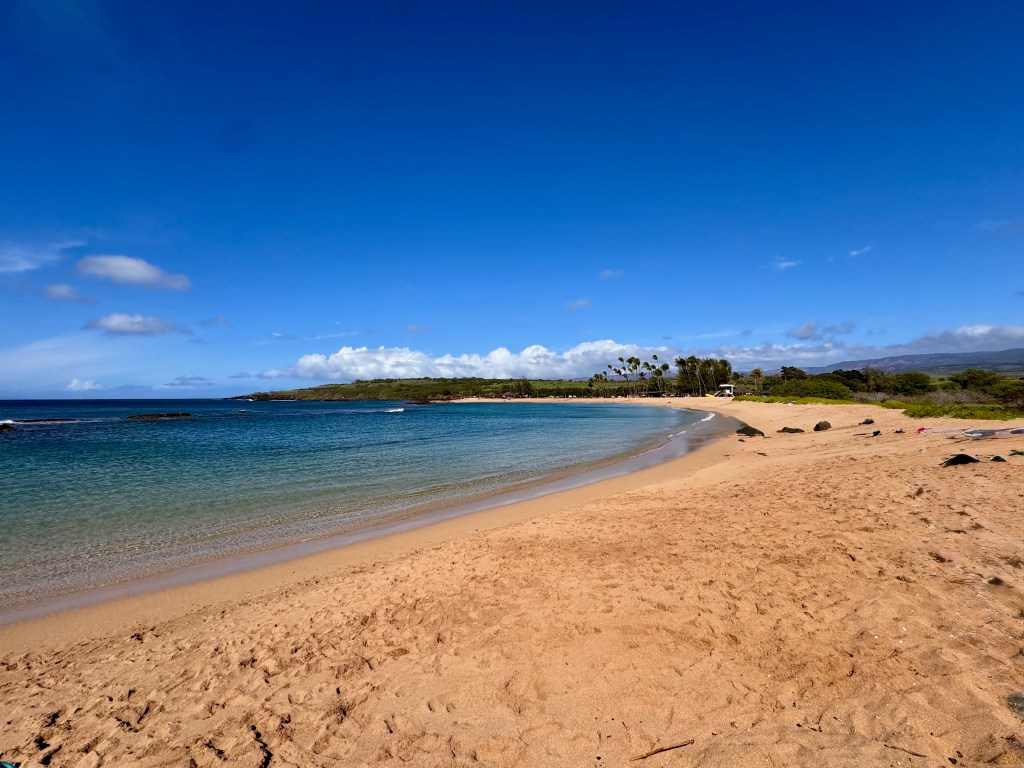
This is the reason that surprises people most — and the one that keeps us coming back.
Kauai is the least developed and least populated of the four main Hawaiian islands. With roughly 75,000 residents and no major urban center (Lihue, the largest town, has fewer than 15,000 people), the island simply doesn’t have the infrastructure for mass tourism. There’s no Waikiki. No bumper-to-bumper resort strips. No lines around the block for the hottest brunch spot. The beaches are spacious, the hiking trails are manageable, and the restaurants feel like actual local restaurants rather than tourist conveyor belts.
This is partly practical — Kauai’s airport is small, direct flights from the mainland are limited, and there are fewer hotel rooms than on Maui or Oahu. But it’s also partly the island’s character. Development restrictions, including a rule that no building can be taller than a coconut tree, plus a strong community culture have kept Kauai from going the way of the other islands. Large chain resorts are the exception rather than the rule. The vibe is genuinely local.
For us, this is the thing we appreciate most. After nearly 20 years of visits, Kauai still feels like somewhere you discover rather than somewhere that’s been packaged for you.
Who Should NOT Visit Kauai
In the interest of honest advice — because not every island is for everyone — here’s who might actually prefer a different Hawaiian island:
If you want nightlife, Kauai will disappoint you. Bars close early, there are no clubs, and the after-dark scene is essentially nonexistent compared to Honolulu. Oahu is your island.
If you want resort amenities and a manicured beach vacation without driving anywhere, Kauai’s spread-out geography may frustrate you. You need a rental car, distances are real, and you have to work a little to get to the best spots. Maui’s Wailea or Oahu’s Waikiki are more self-contained.
If you’re visiting in winter and prioritize water sports, be aware that North Shore beaches can be inaccessible for swimming and snorkeling from October through April due to large swells. The South Shore stays swimmable, but some of Kauai’s most spectacular spots are seasonal.
If budget is a serious constraint, Kauai is on the expensive end of the Hawaiian island spectrum. That said, there are meaningful ways to do it affordably — our Budget-Friendly Kauai guide covers timeshare rentals, Costco strategy, cheap eats, and free activities in detail.
Ready to Start Planning?
Here’s where we’d send you next, in order:
- Island Orientation — understand the four shores and what each one offers before you decide where to stay
- One-Week Kauai Itinerary — our complete day-by-day guide built from 20 years of visits
- Budget-Friendly Kauai Guide — how to do Kauai affordably without missing anything important
- Kauai Packing List — what you actually need, including the sunscreen rules and why you need approach shoes for the trails
- Top 5 Snorkeling Spots — our ranked guide to the best snorkeling beaches by shore and season
Frequently Asked Questions: Is Kauai Worth Visiting?
Is Kauai worth visiting?
Absolutely — in our view, Kauai is the most beautiful place in the United States, and among the most beautiful anywhere on earth. The Na Pali Coast, Waimea Canyon, the North Shore beaches, and the extraordinary hiking make it exceptional. If you love natural beauty, outdoor adventure, and beaches without overwhelming crowds, Kauai will exceed your expectations.
Is Kauai better than Maui?
It depends entirely on what you’re looking for. Maui has more resort infrastructure, a wider range of restaurants and nightlife, and arguably more consistent beach weather in winter. Kauai has more dramatic natural beauty, far fewer crowds, better hiking, and a more authentic, less touristy feel. For outdoor adventurers and nature lovers, we think Kauai wins. For those who want a polished resort vacation, Maui may suit better.
Is Kauai good for first-time Hawaii visitors?
Yes, with some caveats. Kauai rewards visitors who do their research — the weather varies dramatically by shore and season, a rental car is absolutely essential, and some of the best experiences require advance planning (Kalalau Trail parking permits, Na Pali boat tours). First-timers who do their homework will have a spectacular trip. Those who show up without a plan may find it trickier to navigate than Oahu or Maui. Our one-week itinerary solves this problem entirely.
How many days do you need in Kauai?
We recommend a minimum of five days and ideally seven. With five days you can hit the major highlights — the Kalalau Trail, Waimea Canyon, snorkeling, and a beach day or two. Seven days lets you add kayaking, a helicopter or boat tour, and more time to simply enjoy the island without feeling rushed. Less than four days doesn’t do it justice.
What is Kauai best known for?
Kauai is best known for the Na Pali Coast (one of the most dramatic coastlines on earth), Waimea Canyon (the Grand Canyon of the Pacific), the Kalalau Trail (one of America’s most celebrated hikes), world-class snorkeling, and its extraordinary lushness — it’s the greenest, most jungly of the Hawaiian islands. It’s also known for being the least crowded and most natural of the four main islands.
When is the best time to visit Kauai?
Summer (May through September) offers the best all-around conditions: calm ocean on the North Shore, excellent snorkeling, and reliable weather. Winter (December through March) brings cheaper prices, humpback whale sightings, and lush green landscapes after the rain, but North Shore beaches can be inaccessible. Shoulder seasons (April–May and September–October) are often the sweet spot: good weather, lower prices, and smaller crowds. See our Budget-Friendly Kauai guide for the cheapest windows to visit.
Questions about planning your Kauai trip? Leave a comment below — we read and respond to every one. And subscribe to our newsletter for seasonal tips, new posts, and updates from your Colorado Ohana.

