When is the best time to visit Kauai?
The most common question we get from people planning their first Kauai trip isn’t “where should I go” or “what should I do” — it’s “when should I go?” And it’s the right question to ask, because the timing of your trip affects almost everything: which beaches are accessible, what activities are possible, how much you’ll pay, and how crowded the island will be.
The short answer is that Kauai is worth visiting any time of year. But the experience varies enough by season — and even by month — that making the right choice for your priorities can make a meaningful difference. After nearly 20 years of annual trips, visiting in every season and most months, here’s our honest breakdown.

Quick Links
- The Most Important Factor: North Shore vs South Shore Swells
- Summer in Kauai (June – September)
- Fall (September – November)
- Winter in Kauai (December – February)
- Spring (March – May)
- Month-by-Month at a Glance
- Season Comparison: Cost, Crowds, and Conditions
- FAQ
The Most Important Factor: North Shore vs South Shore Swells
Before breaking down the seasons, it helps to understand the single most important variable in Kauai trip timing: ocean swells on the North Shore.
Kauai’s North Shore faces northwest — directly into the path of winter swells generated by storms in the North Pacific. From roughly October through April, these swells can be enormous, creating surf that closes North Shore beaches entirely for days or weeks at a time. Tunnels Beach, Anini Beach, Ke’e Beach, and Hanalei Bay itself can all be inaccessible or dangerous for swimming and snorkeling when surf warnings are in effect.
This matters enormously because, as we explain in our Top 5 Reasons to Visit Kauai, the North Shore has most of the island’s best beaches, snorkeling, and hiking access. Losing those beaches to winter swells is a significant tradeoff.
The South Shore faces southwest, sheltered from North Pacific swells, and remains swimmable year-round. So the core seasonal decision on Kauai is really this: do you want guaranteed North Shore access (summer) or are you comfortable with the South Shore as your primary beach base (winter)?
Everything else — price, crowds, rainfall, whale watching — layers on top of that fundamental question. See our island orientation guide and where to stay guide for the full picture on how each shore differs.
Summer in Kauai (June – September)
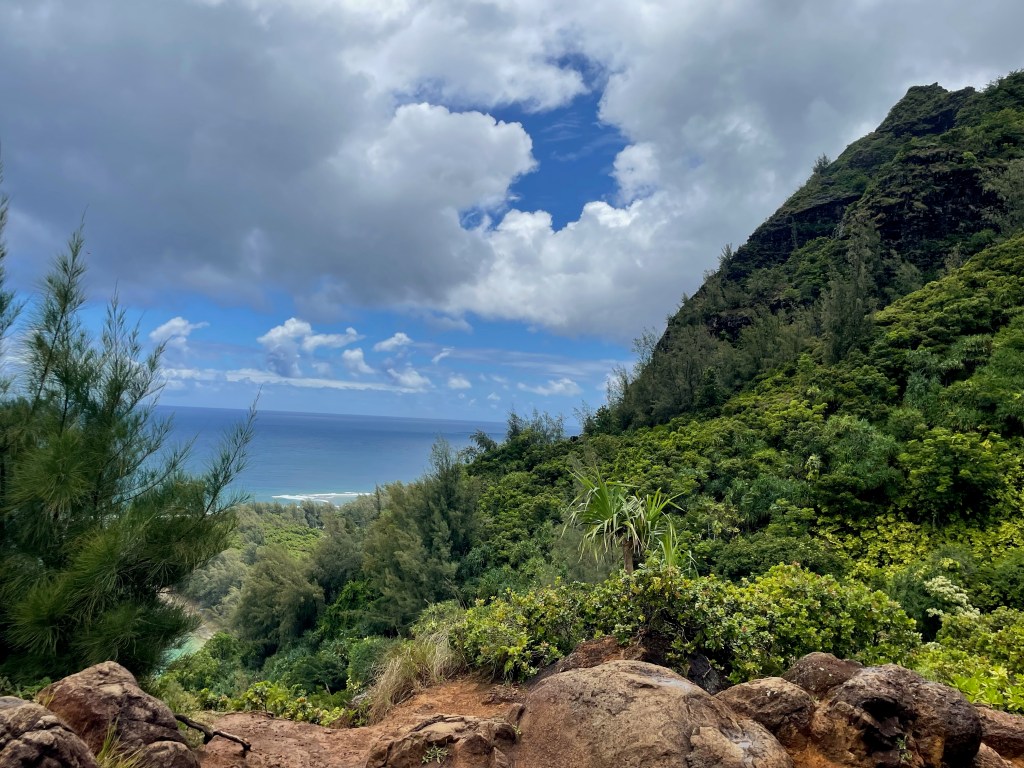
Our verdict: The best time to visit — especially for first-timers and North Shore devotees.
Summer is our favorite time to visit Kauai, and it’s been our most common travel window over the years. The reason is simple: smaller swells mean every beach on the island is accessible, including all our favorites on the North Shore.
What Summer Gets Right
Full beach access. In summer, Tunnels Beach offers some of the best snorkeling in all of Hawaii — calm, clear water over an extensive reef with sea turtles, moray eels, and tropical fish in abundance. Anini Beach is serene and perfect for families. Hanalei Bay is at its most beautiful, with flat water reflecting the mountains behind it. These experiences simply aren’t reliably available in winter.
Best snorkeling conditions. Calmer water means better visibility and safer conditions for snorkeling, swimming, and paddleboarding. Our Top 5 Snorkeling Spots guide is built around summer conditions on the North Shore.
Best sunset views. Because the sun sets to the northwest in summer, the North Shore catches the most spectacular sunset light of the year. The Princeville Lookout and the Walina Terrace at 1 Hanalei are at their absolute best from June through August. See our best sunset spots guide for details.
Drier weather on the windward side. Summer is the drier season on Kauai’s North and East shores. You’ll still see rain — this is one of the wettest places on earth — but summer rain tends to come in brief showers that clear quickly, rather than the multi-day soaks of winter.
Long days. Sunset doesn’t come until after 7pm in June and July, giving you far more usable daylight than winter visits.
The Tradeoffs
Higher prices. Summer is peak season, and prices reflect it. Flights, rental cars, and accommodation all run 20–40% higher than shoulder season. If you’re flying from Denver, expect to pay $500–$700 per person for round-trip flights in peak summer versus $250–$350 in September or October. See our Budget-Friendly Kauai guide for strategies to manage summer costs.
More crowds. Summer is the busiest season on the island — more visitors at beaches, longer lines at popular restaurants, and the Kalalau trailhead parking filling up fast. Book everything well in advance.
Book early. For summer travel, we recommend booking flights and accommodation 3–6 months ahead. Rental cars on Kauai are limited and sell out. Do not leave this until the last minute.
Best Months: June and September
Within the summer window, June is our personal favorite month to visit. School has just let out, the swells have typically calmed from spring, and the island hasn’t yet hit peak July/August crowds. Early September offers nearly identical conditions with meaningfully lower prices as families return to school schedules.
Fall (September – November)
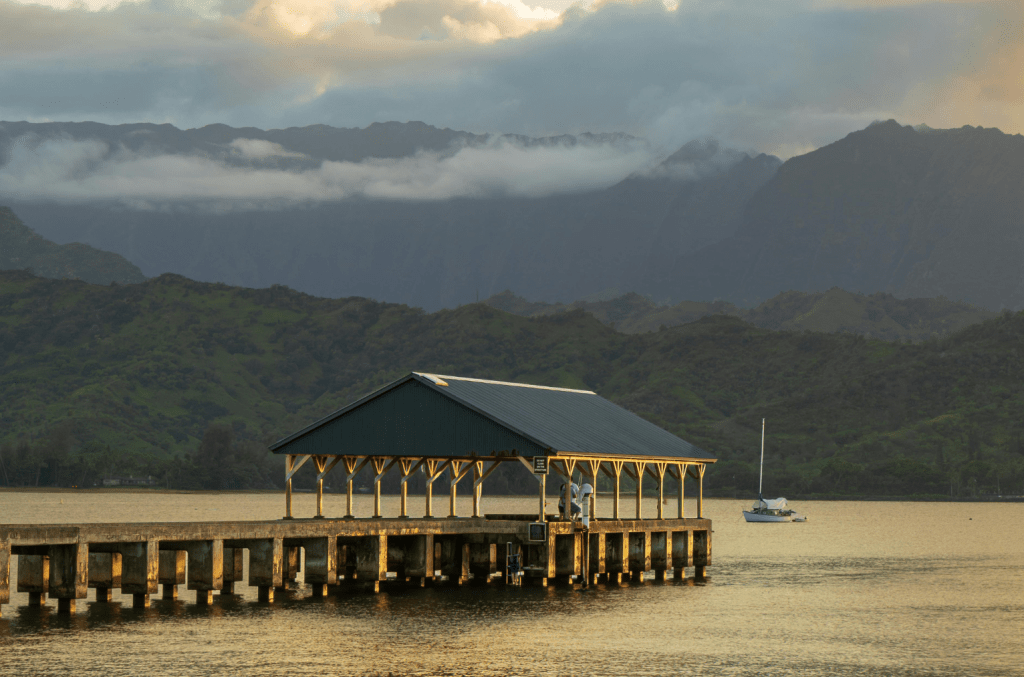
Our verdict: The best value window on the island — and often underrated.
Fall is the best-kept secret in Kauai travel. September and October in particular combine near-summer ocean conditions with prices that can be 30–50% lower than peak season. After nearly 20 years of trips, we find ourselves recommending this window more and more for visitors who want the best of both worlds.
What Fall Gets Right
Lowest prices of the year. September and October are consistently the cheapest months to visit Kauai. Flights from Denver regularly drop to $250–$350 round trip. Rental car rates fall sharply. RedWeek timeshare availability increases as summer renters clear out. If budget is a significant factor in your planning, fall is the answer.
Fewest crowds. The island is noticeably quieter after Labor Day. Parking at trailheads is easier, restaurants don’t require reservations, and popular beaches feel spacious. If you’ve visited in July and found Hanalei town busy, September will feel like a different island.
Still-good North Shore conditions. September and most of October still see summer-like swell patterns, meaning North Shore beaches remain accessible. Tunnels and Anini are swimmable, snorkeling is still excellent, and the Kalalau Trail is in good shape. This window typically holds through mid-to-late October before winter swells start arriving.
Spectacular scenery. The combination of late summer greenery and the first of the season’s heavier rains produces particularly lush, vivid landscapes. Waterfalls are fuller, the mountains are more dramatically green.
The Tradeoffs
Increasing rain. October and November see more rainfall than summer, especially on the North and East shores. Late November in particular can bring extended rainy periods. The further into fall you go, the more you’re gambling on weather.
North Shore uncertainty from November onward. By November, winter swells can arrive at any time. A November trip with a North Shore base is higher risk than a September or October trip. If you’re visiting in November, consider staying on the South Shore as insurance.
April 2018 as a cautionary tale. While April is technically spring, it illustrates the risk of the rainy season on the North Shore: in mid-April 2018, over 50 inches of rain fell in just 48 hours, causing significant flooding and road closures. This kind of event is rare but not unprecedented — another reason we prefer staying on the South Shore in any off-peak season.
Best Months: September and Early October
September is the sweet spot: prices are at their lowest, the North Shore is still accessible, crowds are thin, and the weather is still reliable. Early October extends those advantages. We’d avoid anything after mid-November unless you’re based on the South Shore.
Winter in Kauai (December – February)
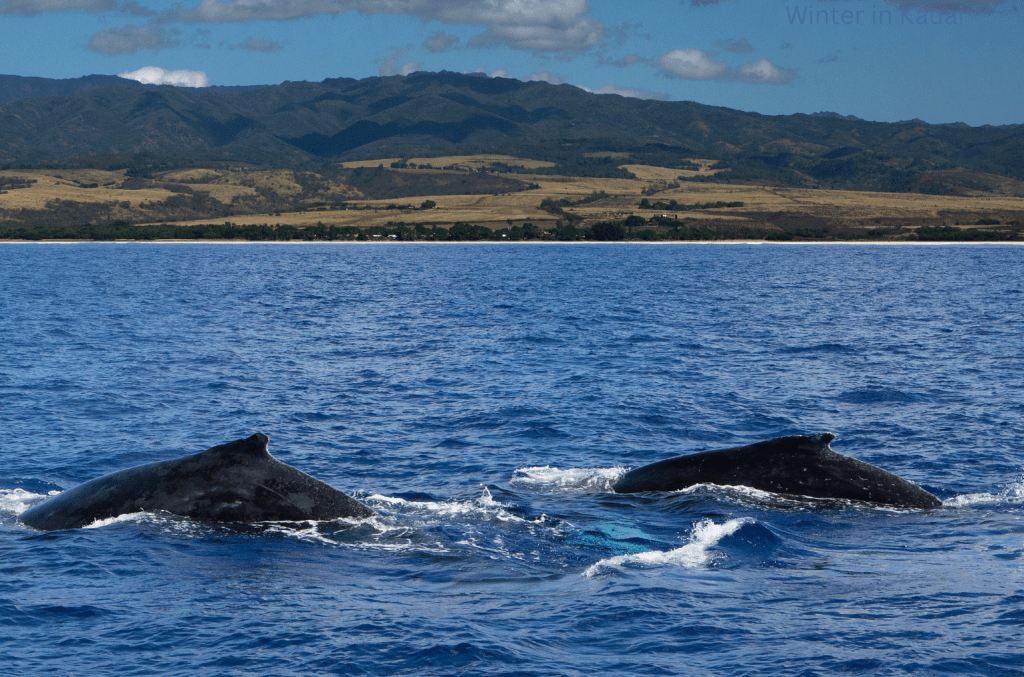
Our verdict: Excellent for whale watching and budget travelers — with the right expectations.
Winter is the second most popular time to visit Kauai, driven largely by the holidays (which are peak pricing) and the humpback whale season (which is spectacular). We’ve visited every New Year’s for years and love it — but we do so with clear eyes about what winter does and doesn’t offer.
What Winter Gets Right
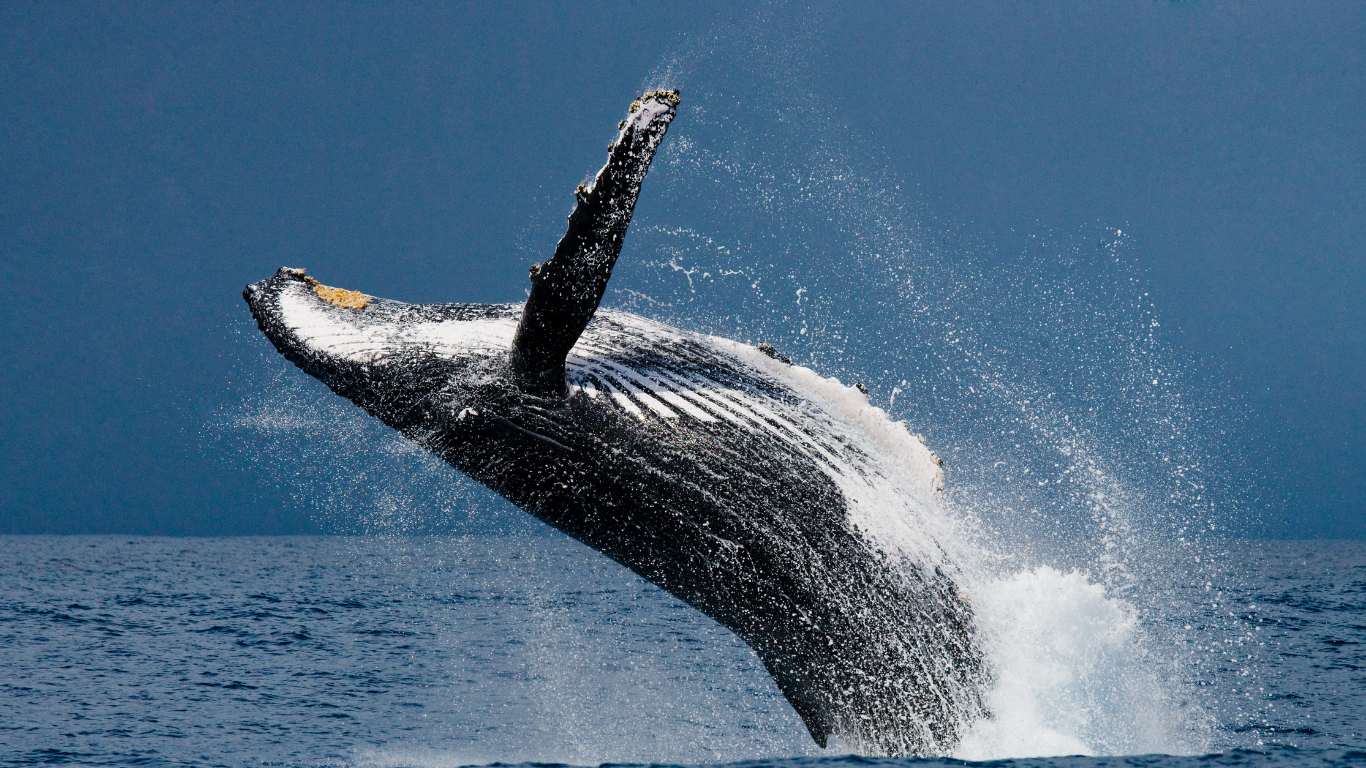
Humpback whale watching. This is the defining experience of a winter Kauai trip and genuinely not available any other time of year. Humpback whales migrate from Alaska to Hawaiian waters from December through April to mate and calve in the warmer ocean. You can see them from shore — Makahu’ena Point and Shipwreck Beach on the South Shore are excellent vantage points — or up close on whale watching boat tours departing from Port Allen. On our New Year’s trips we’ve watched whales breach from shore and it never gets old. See our New Year’s trip diary for a firsthand account of a winter visit.
Lush, vivid scenery. Winter rains keep Kauai at its absolute greenest. Waterfalls are fuller, the mountains are more dramatically verdant, and the landscape looks almost impossibly lush. If the photography of the island you fell in love with showed jewel-green mountains and cascading waterfalls, that’s winter.
Fewer crowds (outside holidays). Early December, January, and February are among the quietest months on the island. Beaches are emptier, parking is easier, and restaurants are more relaxed. The exception is the Christmas and New Year’s window, when prices hit their annual peak and the island is as busy as any summer week.
South Shore at its best. Winter is when Poi’pu and the South Shore shine. Reliable sunshine, warm temperatures, swimmable beaches, and whale watching from the clifftops — it’s a genuinely excellent winter vacation. Our where to stay guide strongly recommends basing yourself on the South Shore for winter visits.
The Tradeoffs
North Shore beach closures. This is the big one. North Shore beaches — Tunnels, Anini, Ke’e, Hanalei Bay — can be closed or dangerous for weeks at a time due to winter swells. If you’ve come to Kauai specifically for North Shore snorkeling or the Kalalau Trail in summer conditions, winter will disappoint.
More rainfall island-wide. January and February are the rainiest months on Kauai. Extended rainy periods are more common in winter than any other season, though rain tends to move through quickly rather than lasting all day.
Holiday pricing. The Christmas and New Year’s window is the most expensive time to visit Kauai by a significant margin. Flights, accommodation, and rental cars all hit annual highs. If you’re visiting over the holidays, book 4–6 months in advance and budget accordingly.
Best Months: January and February
Away from the holidays, January and February offer the genuine advantages of winter — whale watching, lush scenery, low crowds — at significantly lower prices than December. These are two of our favorite months for a quieter, more affordable winter visit.
Spring (March – May)
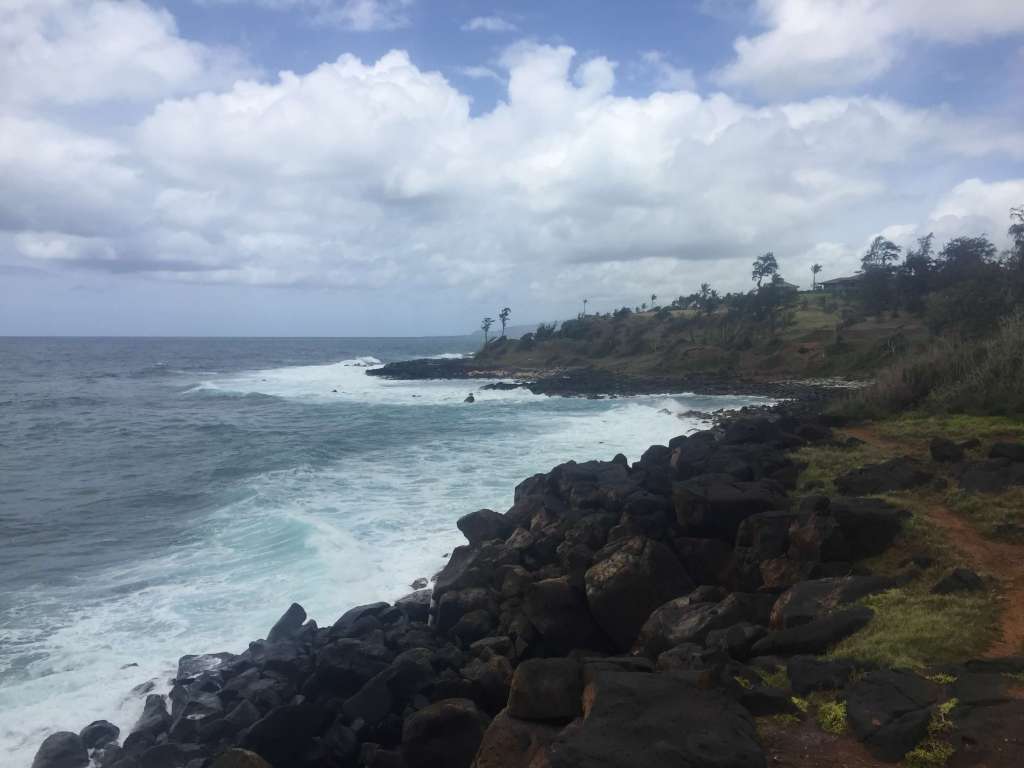
Our verdict: A mixed bag — May is excellent, March and April require caution.
Spring is the most variable season on Kauai, and our recommendations differ significantly depending on which month you’re considering.
What Spring Gets Right
May is the hidden gem. Late May in particular offers some of the best conditions of the year: North Shore swells have typically calmed to summer patterns, prices are still below peak (though rising), crowds haven’t hit summer levels, and the island is spectacularly green from winter rains. If your schedule is flexible, late May is one of our strongest recommendations.
Improving conditions through the season. Spring is a transition — from winter’s swells and rain toward summer’s calm and sunshine. The later in spring you visit, the better the conditions tend to be.
The Tradeoffs
March and April carry real risk. Early spring on the North Shore can still see significant winter swells, and rainfall in March and April can be heavy. As mentioned above, April 2018’s catastrophic flooding — over 50 inches in 48 hours — is the extreme example of what the spring rainy season can bring. In March 2026, a devastating Kona low brought destructive flooding to Oahu and parts of Maui. We’re not saying it will happen to you, but the risk is meaningfully higher in March and April than in summer or fall.
Unpredictable transitions. Spring weather on Kauai doesn’t follow a reliable schedule. A late spring in some years means North Shore beaches are still closed in May; an early spring means they’re open in March. It’s less predictable than summer or fall.
Best Months: Late May
Late May — from Memorial Day weekend onward — is where spring turns into early summer and conditions become reliably good. We’ve visited in late May multiple times and found it nearly indistinguishable from June, with slightly lower prices. March and April are our least recommended months island-wide.
Month-by-Month at a Glance
| Month | Weather | North Shore | Crowds | Relative Cost |
|---|---|---|---|---|
| January | Rainy, warm | Often closed | Low | Low |
| February | Rainy, warm | Often closed | Low | Low |
| March | Variable | Risky | Low-Medium | Low-Medium |
| April | Variable, heavy rain risk | Risky | Low-Medium | Medium |
| May | Improving | Opening up | Medium | Medium |
| June | Dry, sunny | Open & excellent | High | High |
| July | Dry, sunny | Open & excellent | Highest | Highest |
| August | Dry, sunny | Open & excellent | High | High |
| September | Dry, sunny | Open (mostly) | Low | Lowest |
| October | Mostly dry | Open early, risky late | Low | Low |
| November | Getting wetter | Risky | Low | Low |
| December | Rainy (holidays = crowded) | Often closed | High (holidays) | High (holidays) |
Season Comparison: Cost, Crowds, and Conditions
| Summer (Jun–Aug) | Fall (Sep–Oct) | Winter (Jan–Feb) | Spring (May) | |
|---|---|---|---|---|
| North Shore beaches | ✅ Excellent | ✅ Good | ❌ Often closed | ✅ Good |
| Snorkeling | ✅ Best | ✅ Very good | ⚠️ South Shore only | ✅ Good |
| Whale watching | ❌ Not available | ❌ Not available | ✅ Peak season | ❌ Ending |
| Rainfall | Low | Low-Medium | Higher | Medium-High |
| Crowds | High | Low | Low-Medium | Medium |
| Flights from Denver | $500–$700 | $250–$350 | $350–$500 | $300–$450 |
| Accommodation | Highest | Lowest | Low-Medium | Medium |
| Overall rating | ⭐⭐⭐⭐⭐ | ⭐⭐⭐⭐½ | ⭐⭐⭐⭐ | ⭐⭐⭐½ |
Frequently Asked Questions: When to Visit Kauai
What is the best time of year to visit Kauai?
Summer (June through August) is the best overall time for most visitors — calm ocean conditions give you full access to the North Shore’s spectacular beaches, snorkeling, and sunsets, and the weather is reliably dry and sunny. That said, September and early October offer nearly identical conditions at 30–50% lower prices, making them our top pick for value-conscious travelers. See our Budget-Friendly Kauai guide for the full cost breakdown.
What is the cheapest month to visit Kauai?
September and October are consistently the cheapest months to visit Kauai. Flights, rental cars, and accommodation all drop significantly after Labor Day, while conditions on the North Shore remain close to summer-quality. January and February are also inexpensive outside of the New Year’s holiday window.
Is Kauai good to visit in winter?
Yes — with the right expectations. Winter on the South Shore is excellent: reliable sunshine, swimmable beaches, and the best whale watching in Hawaii (December through April). The tradeoff is that North Shore beaches are frequently closed due to winter swells, so if you’ve come specifically for Tunnels Beach or the Kalalau Trail in summer conditions, you may be disappointed. Stay on the South Shore in winter and the experience is genuinely wonderful.
When is whale watching season in Kauai?
Humpback whales are present in Hawaiian waters from December through April, with peak activity typically in January through March. You can see them from shore on the South Shore (Makahu’ena Point and Shipwreck Beach are excellent vantage points) or up close on whale watching boat tours departing from Port Allen. There is no whale watching in summer — the whales migrate back to Alaska in late spring.
Is it ever too rainy to visit Kauai?
Kauai is one of the wettest places on earth year-round, so some rain is always possible. That said, rain on Kauai is usually brief and often makes the scenery more dramatically beautiful. The months with the most sustained rainfall risk are January, February, and especially March and April on the North Shore. The South Shore is significantly drier year-round. We’d avoid basing yourself on the North Shore in March and April specifically — the flooding risk, while rare, is real.
When should I avoid visiting Kauai?
The windows we’d most caution against are March and April (highest rainfall and North Shore swell risk on the windward side) and the Christmas/New Year’s period (highest prices and crowds of the year). If budget matters, avoid July 4th week and the week between Christmas and New Year’s — these are the two most expensive windows on the island by a significant margin.
How far in advance should I book a Kauai trip?
For summer (June–August): 3–6 months in advance. Rental cars especially sell out. For Christmas/New Year’s: 4–6 months minimum. For shoulder season (September–October or January–February): 6–8 weeks is usually sufficient, though booking earlier never hurts. For RedWeek timeshare rentals, set up alerts for your dates as early as possible — inventory is unpredictable.
Ready to start planning? See our one-week Kauai itinerary for a complete day-by-day guide, our where to stay guide for shore-by-shore accommodation recommendations by season, and our Budget-Friendly Kauai guide for the full breakdown on how to find the best airfare and accommodation deals at any time of year.


Leave a Reply