When is the best time to visit Kauai?
The short answer is anytime. But the experience varies depending on what time of year. Let’s review what advantages and disadvantages you have, depending on what season – or even month – you visit.

Summer in Kauai (June – August)
Summer is our favorite time to visit Kauai for one simple reason: the surf is smaller, so all the beaches on the north shore are accessible. If you’ve seen our list of the best beaches, you’ll know that the north shore has most of them. In the winter, the windward side of the island sees bigger swells creating high surf that often closes the beaches altogether along those shores. This means our favorite beaches, from Hanalei to Tunnels, are more likely to be closed. And when they’re open, the surf is higher, creating more dangerous conditions for some of our favorite activities, like snorkeling or boogie boarding.
In the summer, smaller to nonexistent swells means the beaches along the windward shores have perfect conditions for water activities or lazy beach days. Plus, the leeward shores are also accessible, so you don’t need to give up access to any part of the island.
Similarly, our favorite places to watch the sunset are along the north shore. Since the sun sets northwest off Kauai in summer, obviously that season is the best time to catch those sunset views.
Finally, we prefer summer because it also tends to be less rainy along the windward side than in other seasons. That doesn’t mean you won’t still see rain if you visit in summer. It just means you’re more likely to have more sunny days than rainy ones.
The downside to visiting in the summer is that it is also a more expensive time to visit. Demand for top vacation spots is always higher during school breaks, raising prices on flights, resorts, vacation rentals, and car rentals. So you’ll need to plan to increase your vacation budget by at least 20% if you’re visiting in the summer compared to less popular seasons (like spring or fall).
Winter in Kauai (December – February)
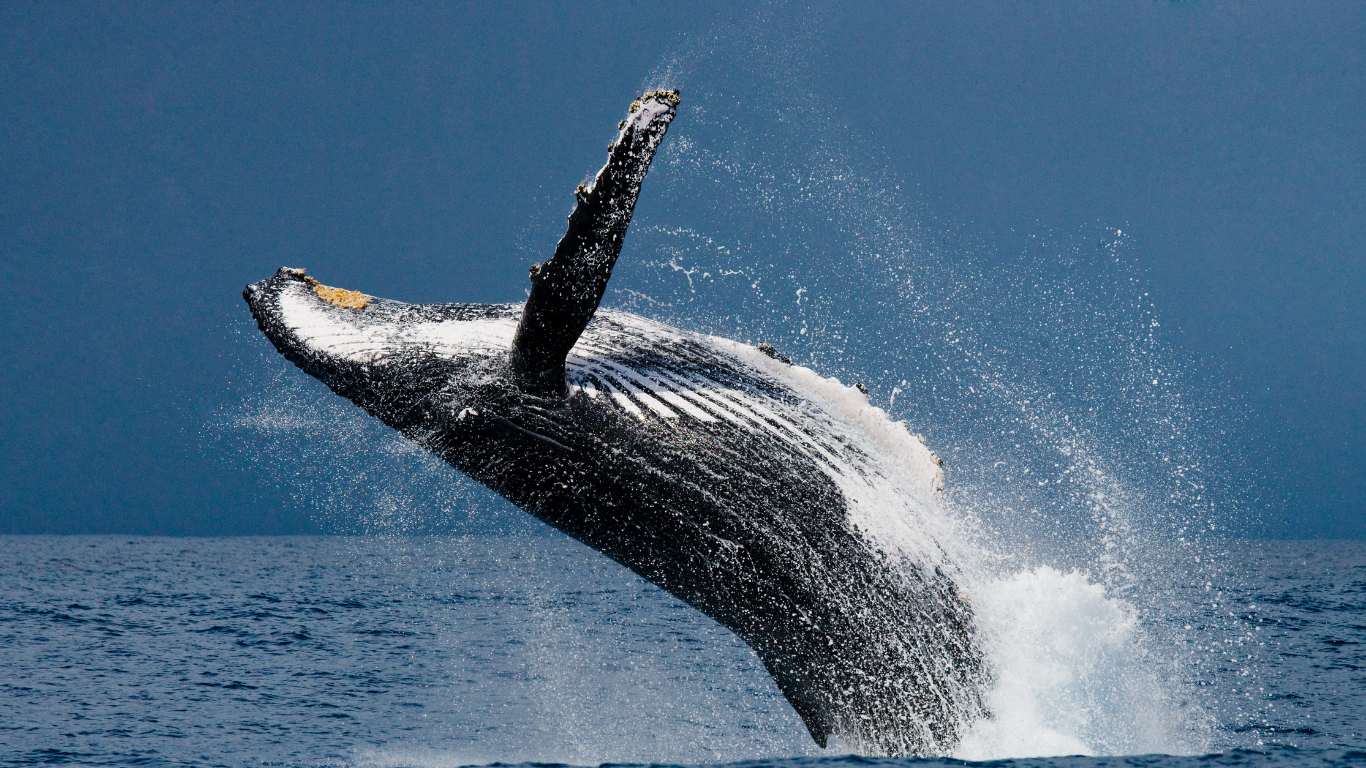
Winter is the next best time to visit Kauai. First, this is the time of year to see humpback whales. The whales migrate to the Hawaiian islands in winter to mate in the warmer waters before returning to Alaska in summer. You can see the whales from shore or up close on one of the numerous whale watching boat tours that leave from Port Allen on the south shore. (Check our our page on the best things to do on the south shore for details.)
Second, it’s less crowded than during the summer (except over the holidays). We never find the island to feel crowded even during the peak travel times, like summer and Christmas/New Year’s. But there are fewer visitors in early December, January and February, so you’ll find emptier beaches and easier parking. Plus, the cost of your vacation may be lower given demand is lower in these periods – again, minus the holidays, when the cost to visit Kauai is at its absolute most expensive.
Of course, with the risk of higher swells, the surf may be higher, especially along the north and east shores, which may result in closed beaches. If you visit in the winter, we recommend you stay in Lihue or along the south shore, where you’re less likely to find high surf warnings and closed beaches. We’ve split our visits in the winter between the north and south shores, but the risk of beach closures is always higher on the north shore in winter.
Shoulder Seasons (March – May and September – November)
The shoulder seasons, including spring and fall, offer some clear advantages. First, these are by far the least expensive and least crowded times to visit Kauai. We find flights around $300 round trip from Denver at this time of year, and vacation rentals, hotels, and resorts offer their lowest prices as well. You could plan to spend as much as half what you’d spend on a Kauai vacation in summer or over the Christmas holidays when traveling at this time of year.
Visiting in September or May offers the same advantages as visiting in June, July, or August, with better conditions on the north shore giving you access to all of our favorite beaches, with fewer crowds.
The downside? It’s rainier than in the summer months. Technically, the rainiest months in Kauai are January and February, but anecdotally, I’d speculate that late March and April see the heaviest downpours. In fact, April sees a higher risk of flooding along the north shore, most famously in mid-April 2018, when over 50 inches of rain fell along the north shore in just 48 hours. We’ve visited in late May through June and found a remarkable difference in the weather in just a few weeks. If you want to stay on the north shore with less risk of rain, you probably don’t want to risk the shoulder seasons.
 Kauai Vacation Blog
Leave a comment